The Joker, as one of the most iconic villains in cinematic and comic book history, has been portrayed by various actors across multiple generations. Each version of the character has been uniquely memorable, not only for the performances behind the makeup but also for the distinct appearance of his trademark smile.
The Joker’s grin—menacing, exaggerated, and unforgettable—is more than a cosmetic choice; it reflects deep creative decisions about character psychology, thematic goals, and the tone of each film.
The Smile as a Symbol
Before diving into the cinematic portrayals, it’s important to understand that the Joker’s smile is not just a facial feature—it’s a symbol. In the comics, his grin represents madness, chaos, and the rejection of societal norms. The physical smile has often been depicted as grotesque, etched permanently into his face either by chemical accidents or self-inflicted mutilation, and serves as an external representation of internal disorder.
Filmmakers and actors have each interpreted this differently, choosing to emphasize certain aspects of the Joker’s character—be it the sadistic clown, the anarchist, or the tragic outcast—through changes in the design of his grin.
1. Cesar Romero – Batman: The Movie (1966)
Cesar Romero’s portrayal of the Joker in the 1966 Batman film and TV series was theatrical, flamboyant, and comedic. His smile was wide and friendly—more jester than menace—fitting the campy tone of the series.
The Smile:
Romero famously refused to shave his mustache, so white greasepaint was applied over it. His red lips were painted on with broad strokes that exaggerated his smile, but not in a terrifying way. It resembled a clown’s makeup, aiming more for humor than horror.
Interpretation:
This version of the Joker emphasized mischief over malevolence. His smile reflected a playful antagonist rather than a psychologically disturbed figure. It aligned with the era’s lighter approach to comic book adaptations and the show’s family-friendly tone.
2. Jack Nicholson – Batman (1989)
Tim Burton’s gothic reimagining of Batman introduced a darker, more sinister Joker, portrayed by Jack Nicholson. This film marked a turning point in the character’s cinematic history, steering him away from the cartoonish and toward something more unsettling.
The Smile:
Nicholson’s Joker had a surgically-altered, permanent grin caused by a chemical accident and subsequent botched reconstructive surgery. His facial muscles were fixed in a constant sneer, giving the impression that he was always laughing—even in serious or violent moments.
Interpretation:
This smile was deliberately disturbing. It was theatrical yet eerie, aligning with the film’s dark tone. Burton and Nicholson used the grin as a visual cue for the Joker’s madness—his joy in destruction was etched permanently into his face. The grotesque nature of the smile emphasized the horror of a man unable to express normal emotions.
3. Heath Ledger – The Dark Knight (2008)
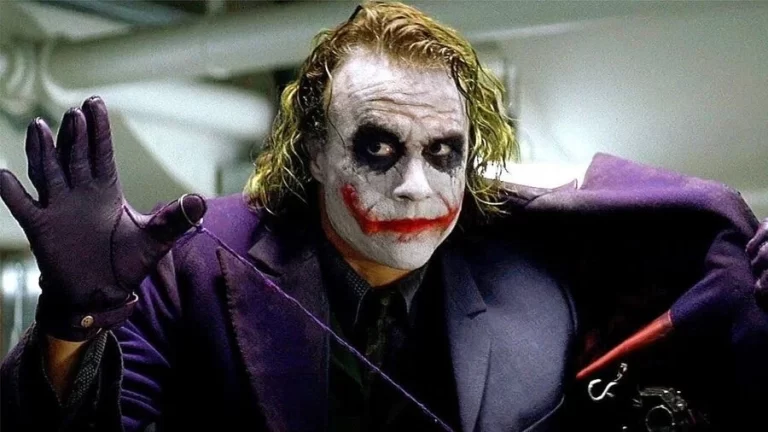
Christopher Nolan’s The Dark Knight presented a grittier, more anarchic version of the Joker. Heath Ledger’s portrayal was raw, chaotic, and psychologically terrifying—his smile, more than ever, became a defining characteristic of his menace.
The Smile:
Unlike previous versions, Ledger’s Joker didn’t have a fixed expression. Instead, he had Glasgow scars—disfiguring cuts on either side of his mouth that formed a “smile.” The scars were emphasized with smeared red lipstick, giving the illusion of a grin. The makeup was intentionally messy, suggesting a DIY approach rather than theatrical flair.
Interpretation:
This smile wasn’t just physical—it was symbolic of trauma. The Joker’s conflicting stories about how he got his scars added to the character’s mystique and unreliability. The smile was a weapon, used to unsettle and manipulate. Ledger’s Joker embraced chaos, and his grin reflected a deeper psychological scar, turning the character into a force of terror rather than a mere villain.
4. Jared Leto – Suicide Squad (2016)
Jared Leto’s Joker marked a sharp departure from previous versions. Director David Ayer aimed for a modernized, gangster-style portrayal that embraced contemporary subcultures and visual shock.
The Smile:
Leto’s Joker had a metallic grill covering his teeth and a tattoo of a smile inked on the back of his hand—used to mimic a grin when placed over his mouth. The actual mouth featured smaller, less exaggerated lipstick work compared to earlier portrayals.
Interpretation:
This version of the Joker used visual rebellion and style as defining traits. The smile, less organic and more manufactured, signaled a departure from psychological horror toward stylized danger. The tattoos and grills hinted at a history of violence and urban criminality, aligning with the film’s edgy, rebellious aesthetic.
5. Joaquin Phoenix – Joker (2019)
Todd Phillips’ Joker took the character in an entirely new direction, offering a standalone origin story that emphasized realism and social commentary. Joaquin Phoenix’s portrayal was tragic, vulnerable, and hauntingly intimate.
The Smile:
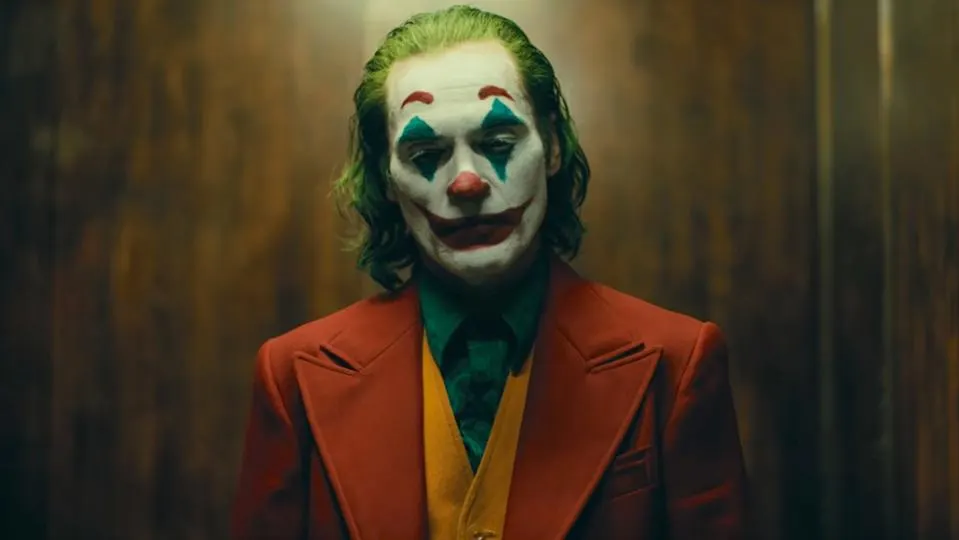
Phoenix’s character, Arthur Fleck, suffers from a neurological condition that causes uncontrollable bouts of laughter. His smile is often involuntary and painful. When performing, he paints on a clown face with a wide red grin—but it’s clear that the painted smile conceals internal agony.
Interpretation:
Here, the smile is both mask and prison. It represents societal expectations of joy while hiding profound despair. Fleck’s transformation into the Joker is marked by his embrace of the painted smile—not out of joy, but as a rejection of the world that ignored and mistreated him. This version redefined the Joker’s grin as a complex symbol of identity, trauma, and protest.
The Smile as a Mirror
Each iteration of the Joker’s smile serves as a mirror to the era, the filmmaker’s vision, and society’s evolving relationship with the character. From Cesar Romero’s whimsical face paint to Joaquin Phoenix’s psychologically grounded portrayal, the Joker’s grin has been constantly reinterpreted to reflect different aspects of villainy, madness, and humanity.
Far from being a static feature, the Joker’s smile is one of the most expressive elements of his character—shifting from comedic to grotesque, from symbolic to tragic. It’s a visual shorthand that conveys more than words ever could. Through these variations, the Joker remains endlessly fascinating—a villain whose ever-changing grin continues to unsettle and enthrall audiences around the world.